
THCa vs HHC: What's the Difference? (2026 Guide)
One is raw flower that becomes real THC when you smoke it. The other is a lab-made cousin of THC that's milder and lives in vapes. Here's how THCa and HHC actually compare on potency, feel, legality, and value.
THCa vs HHC: THCa is the raw acid in hemp flower that converts to full-strength Delta-9 THC when heated, so it delivers a classic, full-potency high. HHC is a semi-synthetic, hydrogenated THC cousin that runs milder — roughly 70–80% of Delta-9. THCa is the stronger of the two; HHC is gentler and more shelf-stable.
THCa is nature's THC waiting to be lit. HHC is THC engineered for stability and a softer landing.
What is THCa?
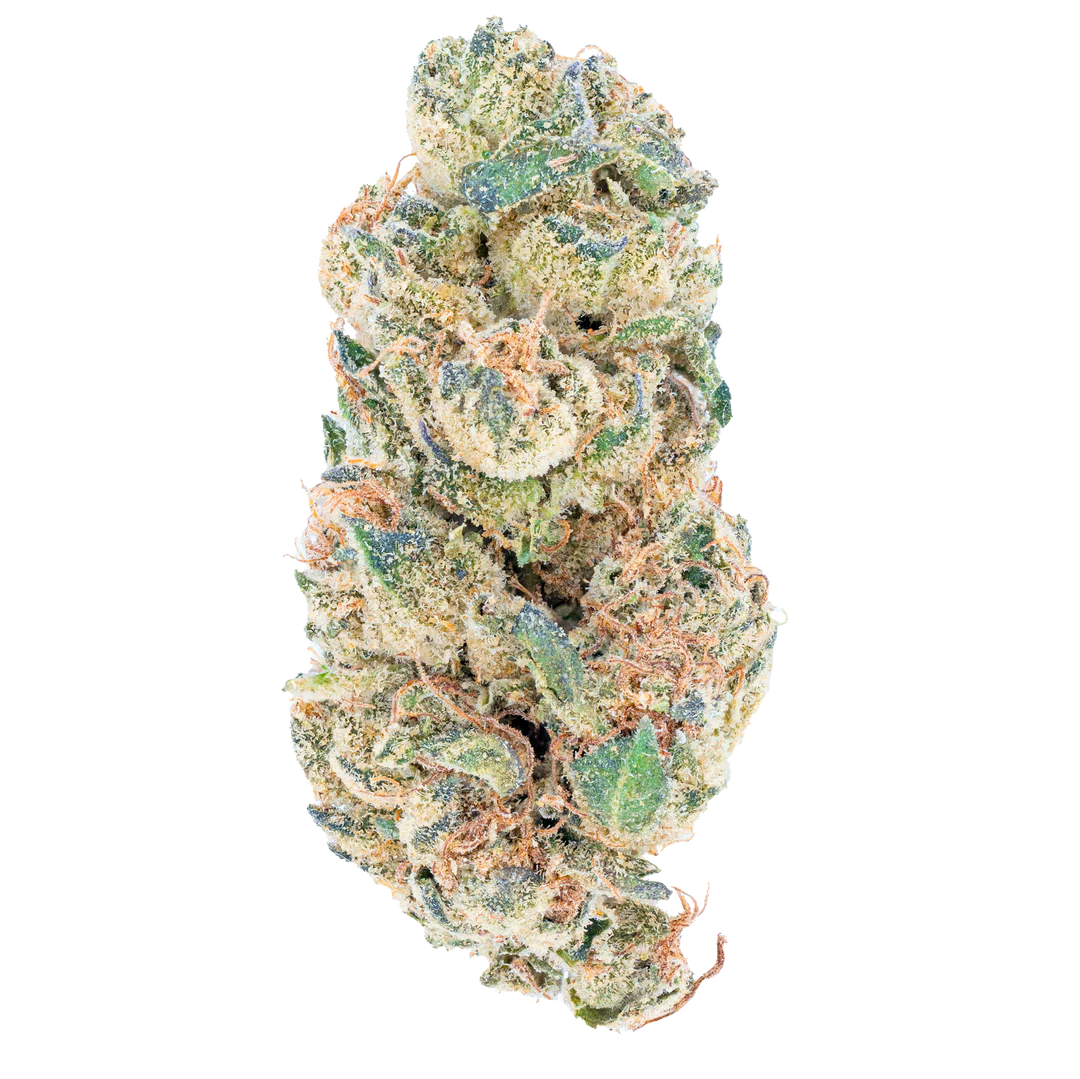
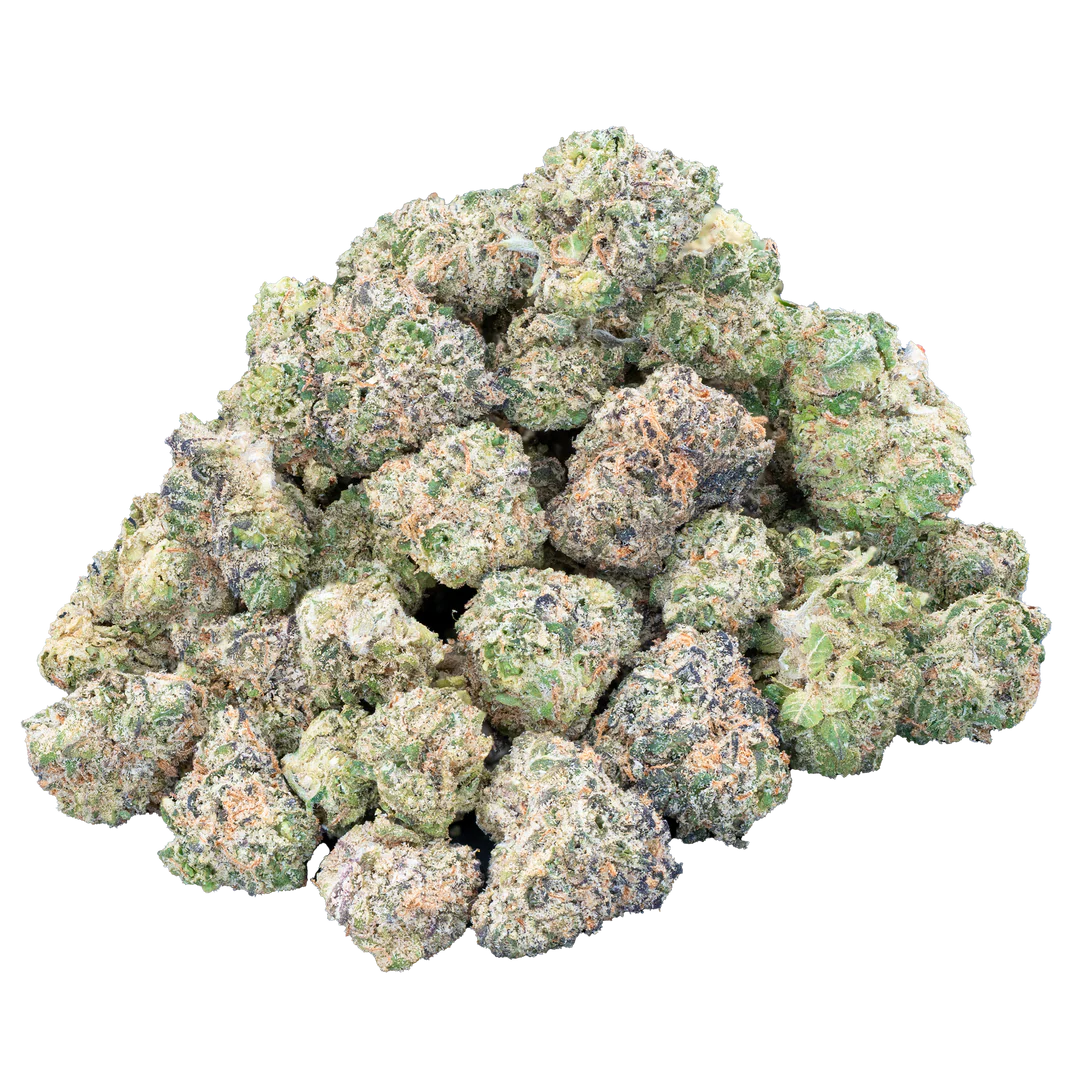
THCa (tetrahydrocannabinolic acid) is the abundant, non-intoxicating acid form of THC found in living hemp and cannabis. It won't get you high in its raw state — but apply heat from a lighter or vaporizer and it decarboxylates into Delta-9 THC, the exact same molecule and the same high as marijuana. That's why lab-tested THCa flower smokes exactly like top-shelf weed: it looks, smells, and hits like the real thing (it should — chemically, once heated, it is). It's natural flower you can see and smell, and if you're wondering, yes, it smells like cannabis.
What is HHC?
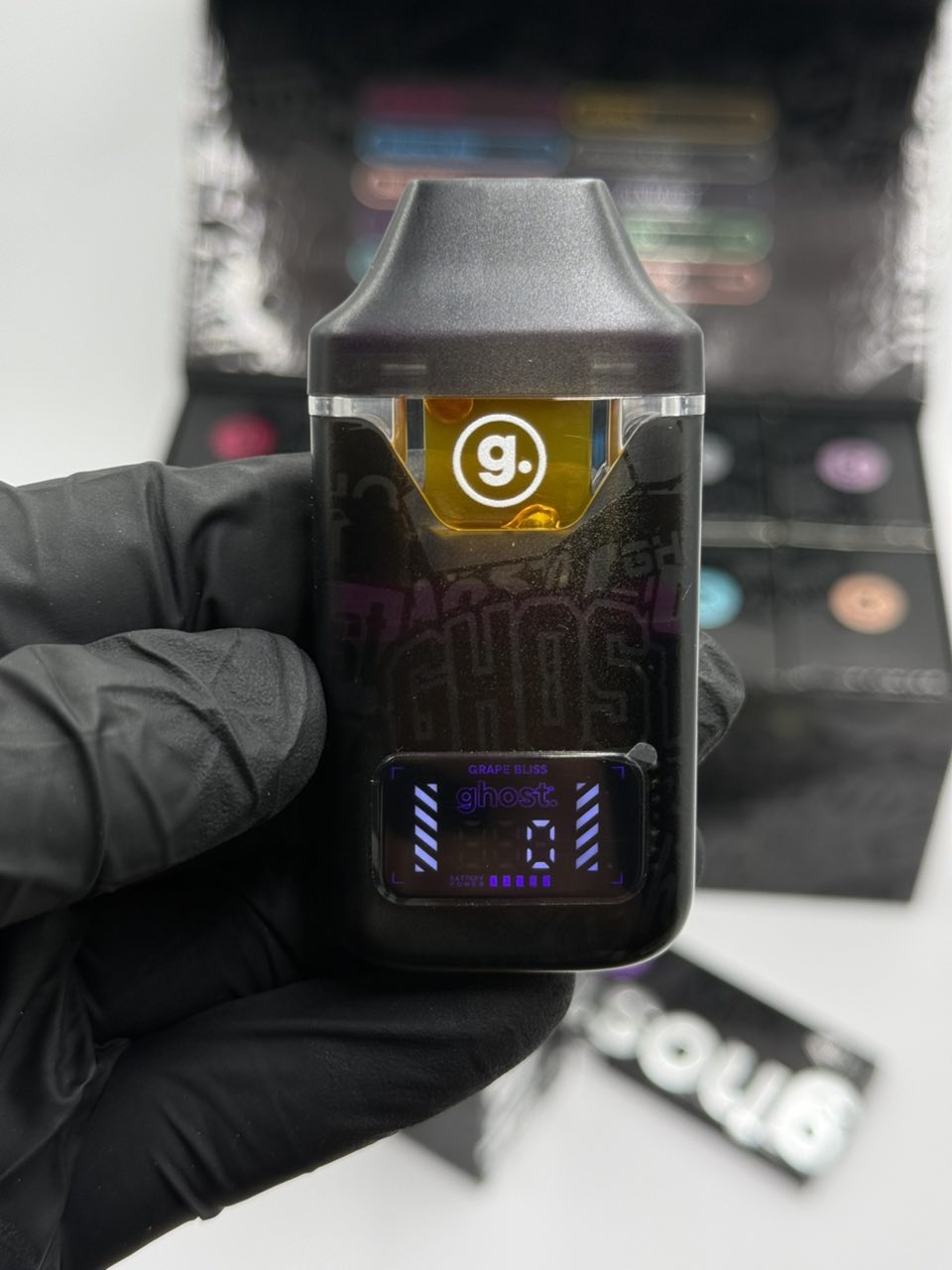
HHC (hexahydrocannabinol) exists in cannabis only in trace amounts, so commercial HHC is manufactured by hydrogenating THC or CBD — adding hydrogen atoms to the molecule the same way food producers hydrogenate vegetable oil. That extra hydrogen makes HHC more stable: it resists heat and UV breakdown and holds up longer on a shelf without degrading. The trade-off is a milder, smoother effect, commonly estimated around 70–80% of Delta-9's strength. Because it's a processed distillate rather than a flower compound, you'll mostly find HHC in disposable vapes, cartridges, and gummies — not in raw bud.
Is THCa stronger than HHC?
Yes, in almost every practical case. Heated THCa is chemically identical to Delta-9 THC, so gram for gram it gives a full-strength, classic cannabis high. HHC lands softer — most users describe it as clear-headed and relaxed rather than intense. If your goal is maximum potency and value per dollar, THCa flower wins; if you want a lighter, more functional buzz, HHC's ceiling is lower by design. For the wider strength picture across the THC family, see THCa vs Delta-8 vs Delta-9.
THCa vs HHC: head-to-head
Source: THCa is natural flower; HHC is semi-synthetic (lab-hydrogenated from THC or CBD).
Potency: THCa hits full Delta-9 strength once heated; HHC is milder, ~70–80% of Delta-9.
Form: THCa is smokable flower; HHC lives mostly in vapes, carts, and edibles.
Feel: THCa is a classic full high; HHC is smoother, calmer, and clearer-headed.
Shelf life: HHC is more stable and resists heat and light; THCa flower is best kept cool and cured.
Value: THCa flower gives the most THC per dollar; HHC is a niche, convenience-first option.
One more practical difference: because THCa is priced like premium flower and HHC like a processed vape, the cost per real dose usually favors THCa when you compare total THC you actually get.
Is HHC legal? Is THCa legal?
Both are sold as hemp-derived products under the 2018 Farm Bill, which federally legalizes hemp and its derivatives as long as the product contains 0.3% or less Delta-9 THC by dry weight. That's the same threshold that keeps compliant THCa flower on the right side of federal law. But federal legality isn't the whole story: state laws vary widely, and semi-synthetic cannabinoids like HHC draw extra scrutiny — several states restrict or ban them outright, and some restrict THCa too. Neither is legal everywhere. Check the THCa legality by state guide before you order, and if you're traveling, read can you fly with THCa flower first.
Will THCa or HHC show up on a drug test?
Treat both as risky. Standard urine screens don't look for THCa or HHC directly — they look for THC-COOH, the metabolite your body makes after processing THC. Heated THCa clearly produces it, so smoking THCa flower can absolutely trigger a positive. HHC metabolizes a little differently and some people claim it's less detectable, but there is no reliable guarantee — plenty of HHC users still fail. If you're tested for work, probation, or sports, avoid both. Full detail is in does THCa show up on a drug test.
How each one is made — quick recap
THCa: grown naturally in hemp flower, then simply harvested, dried, and cured — no chemistry required. You activate it yourself with heat.
HHC: extracted THC or CBD is hydrogenated in a lab under pressure with a catalyst, then distilled and put into vapes or edibles.
Which should you choose — THCa or HHC?
Want the truest, strongest, best-value cannabis experience with real flower? Go THCa — start with a well-reviewed strain, dose carefully, and enjoy the full flavor and terpene profile that only flower delivers. Want something milder, more discreet, and shelf-stable in a vape? HHC fits that lane. Either way, buy lab-tested product, start low, and go slow. You can compare strains and formats across WHAM's full menu.
Last updated 2026. Educational content only — not medical or legal advice. Hemp/THCa laws vary by state; confirm your local rules before ordering. Adults 21+.
Keep reading & shop
Shop: Shop THCa flower
Shop the read
What the writer recommends
5 hand-picked products
Further reading
Resources & References
Quick answers
Frequently asked
THCa is the natural acid form of THC in raw hemp flower; heat it and it becomes full-strength Delta-9 THC. HHC is hexahydrocannabinol — a semi-synthetic cannabinoid made by adding hydrogen to THC. THCa is real flower at full potency; HHC is a milder, more shelf-stable THC cousin usually sold in vapes and edibles.
Generally yes. Once heated, THCa is chemically Delta-9 THC, so it delivers full cannabis-strength effects. HHC is typically estimated at roughly 70–80% of Delta-9's potency, with a smoother, slightly less intense feel. If you want maximum strength, THCa flower wins; if you want something gentler, HHC is milder.
HHC occurs in cannabis only in trace amounts, so commercial HHC is made in a lab by hydrogenating THC or CBD — making it semi-synthetic. THCa, by contrast, is naturally abundant in raw hemp flower and needs no chemical conversion; it just has to be heated to activate. That's a key difference for buyers who prefer natural flower.
Treat both as risky. THCa becomes Delta-9 THC when heated and leaves the standard THC metabolite (THC-COOH) that urine tests detect. HHC metabolizes differently and some claim it's less detectable, but there's no reliable guarantee — many people still fail. If you're tested for work or probation, avoid both THCa and HHC.
It depends on the experience you want. HHC's milder, smoother effect can be friendlier for someone easing in, especially in a low-dose vape. But a small amount of quality THCa flower, dosed carefully, gives a truer cannabis experience. Start low with either — one or two puffs — and wait before taking more.
Both are sold as hemp-derived products under the 2018 Farm Bill, which allows hemp with 0.3% or less Delta-9 THC by dry weight. State laws vary, and semi-synthetic cannabinoids like HHC face extra scrutiny in some states. Neither is legal everywhere — always check your state's current rules before buying.
Keep reading
More from the editorial
Articles in Education and across the WHAM Read.
 Education2 min
How Long Does a THC High Last? (2026 Timeline)
A smoked or vaped THC high usually peaks within 10 minutes and lasts about 1–3 hours; THC edibles run 4–8 hours. This guide breaks down how long a THC high lasts by method, what changes the duration, and how to come down faster if you need to.
 Education3 min
THCa vs THC vs CBD: What's the Difference?
THCa vs THC vs CBD explained: THCa is the raw form in hemp flower that becomes THC when heated, THC (delta-9) is the compound that gets you high, and CBD is non-intoxicating and used for calm. Compare effects, legality, and which to choose.
 Education4 min
THCa Flower vs Delta-9 Gummies: Which Should You Choose?
THCa flower vs delta-9 gummies compared: flower kicks in within minutes and lasts 1–3 hours with full flavor, while gummies take 30–90 minutes, last 4–8 hours, are more discreet, and dose precisely. See onset, intensity, dosing, legality, and which fits you.

Get 5% off + the best reads in your inbox
Join 50,000+ subscribers. One short editorial email a week — unsubscribe any time.
No spam · unsubscribe in one click